


What is padel?
What Is Padel? The Complete Guide for USA Players
This page is a full English adaptation of a long Romanian reference article. We will build it chapter by chapter. This release includes the complete Chapter 1, while the full table of contents is already mapped below.
Table of contents
- What Is Padel? An Introduction to a Dynamic Racket Sport
- History of Padel: From Mexico to Romania
- Types of Padel and Playing Styles
- Understanding Rules and Equipment in Padel
- Safety Practices and Preparation for Padel
- Padel Communities in the USA and Sport Culture
- Common Myths About Padel in the USA
- How to Start Playing Padel in the USA
- Padel and Social Relationships in the USA
- Padel Equipment and Accessories in the USA
- Padel and Mental Wellbeing
- Legal and Administrative Aspects of Padel in the USA
- Additional Resources for Padel in the USA
- Final Thoughts on Padel in the USA
- Frequently Asked Questions (FAQ) About Padel in the USA
1) What Is Padel? An Introduction to a Dynamic Racket Sport
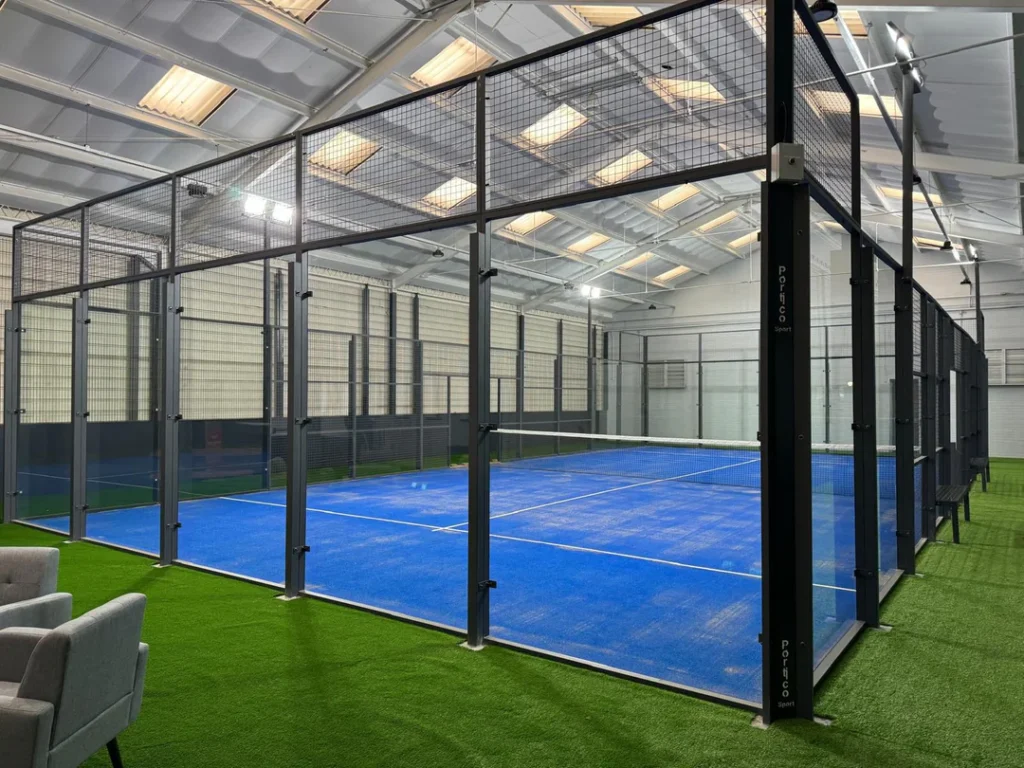
What is padel? Padel is a dynamic racket sport that blends elements from tennis and squash. It is played on a smaller enclosed court, and the glass and mesh walls are part of live play. That wall rebound dynamic adds strategy and makes rallies longer, more creative, and more social. If you are searching for what is padel sport, this chapter covers the full foundation.
Unlike many racket sports, padel is easy to start and still deep enough for advanced tactical play. It is usually played in doubles, which makes it naturally social for friends, families, coworkers, and local club communities across the United States. This is also why what is padel and how to play is one of the most common beginner questions.
Definition and Origins of Padel
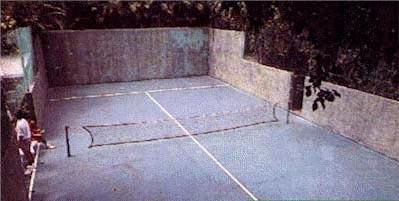
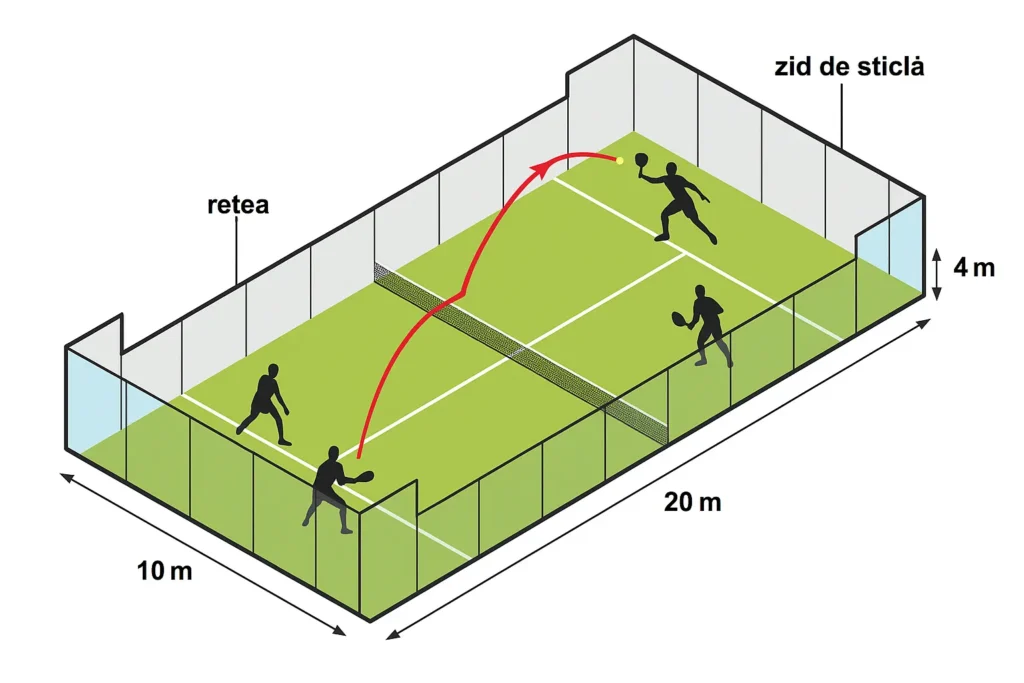
Padel was invented in 1969 in Acapulco, Mexico, by Enrique Corcuera. He designed a smaller court (20x10 meters), surrounded it with walls, and combined practical rules from tennis and squash. He also used solid rackets without strings and lower-pressure balls to improve control and consistency during rallies.
The original idea was simple: create a sport that is easier to access in limited urban space and easier to enjoy without years of technical training. That design solved two major barriers: large court requirements and a steep beginner learning curve. For players asking what is padel in the USA, this accessibility is still a core reason behind growth.
From Mexico, padel expanded quickly to Spain and Argentina, where it became a mainstream sport. Spain built one of the strongest padel ecosystems in the world, while Argentina produced elite professional players and a major competitive culture. Later, international structures helped the sport scale globally, including in North America.
Today, padel is played worldwide and continues to grow fast in U.S. metro areas, where clubs, social leagues, and beginner programs are expanding year after year.
How Padel Works: Basic Rules
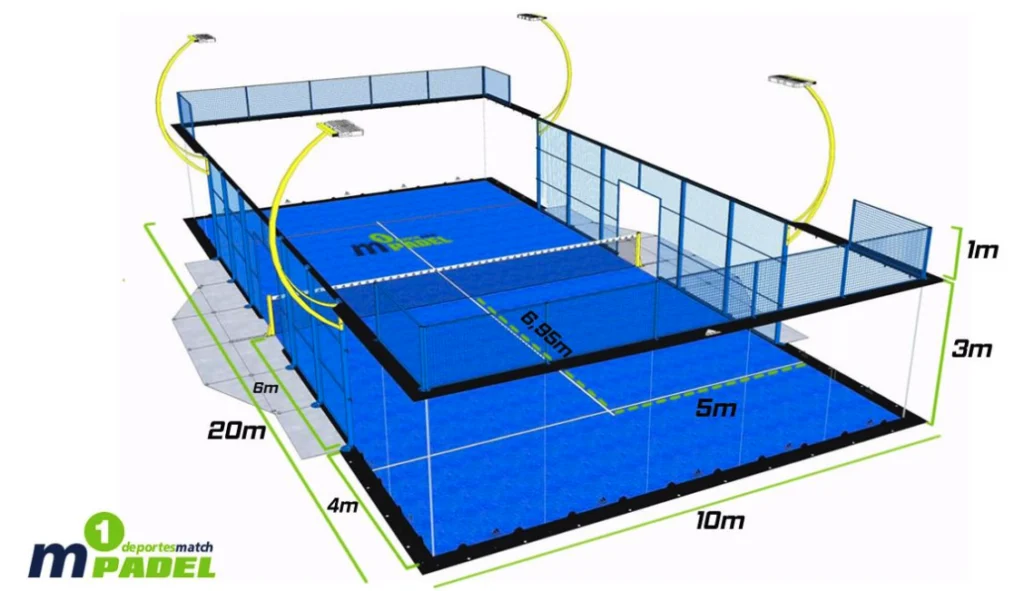
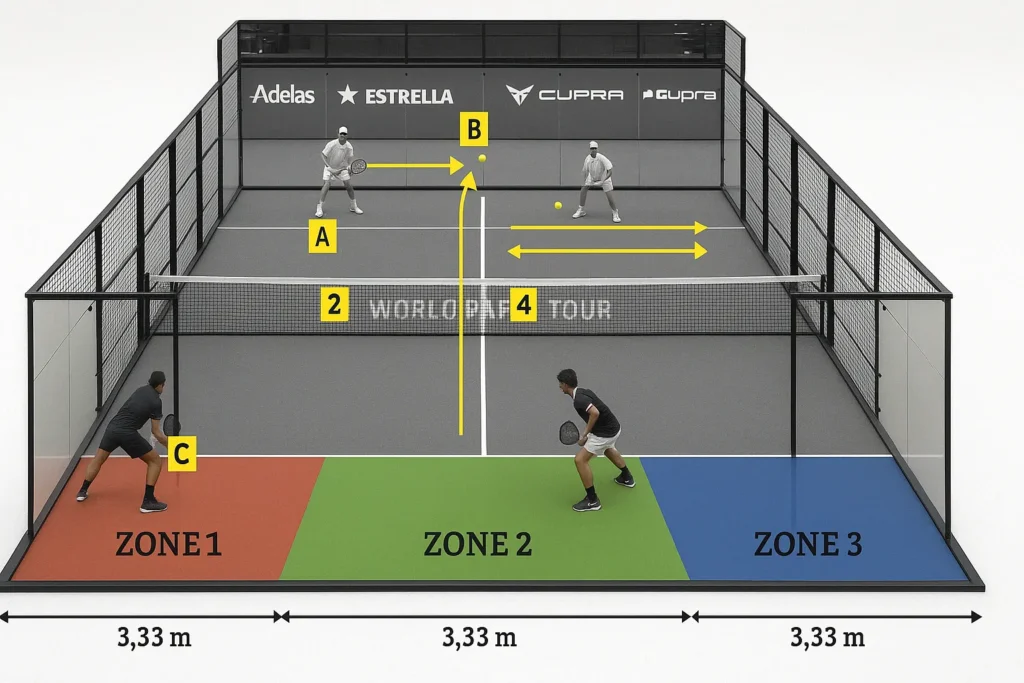
Padel is most often played in doubles on a 20x10 meter court. The serve is underhand and must bounce first in the opponent's diagonal service box. Scoring follows tennis: 15, 30, 40, game. Sets are usually first to 6 games, with a tiebreak at 6-6. This directly answers what is padel rules at a beginner level.
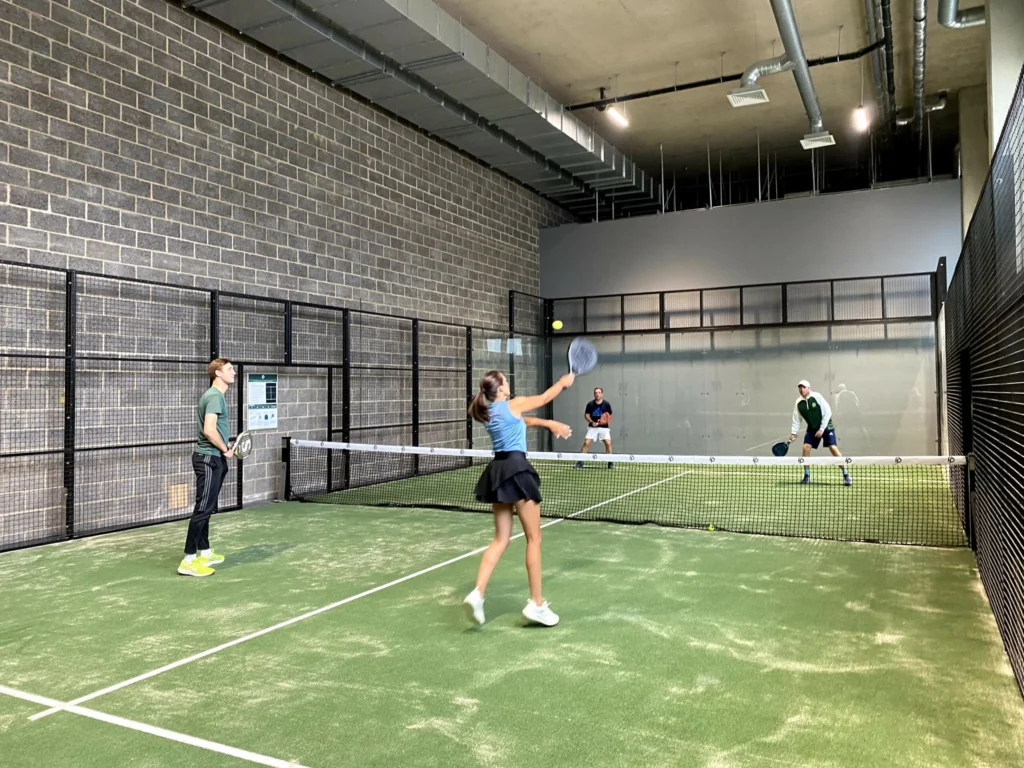
The main difference from tennis is wall interaction. After the ball bounces on your side, you can play it after it touches the wall. This creates a strategic layer where positioning, anticipation, and teamwork matter as much as power.
Match format is typically best of three sets, and teams must win by two games in a set. At competitive level, understanding point construction and wall usage is essential.
Core in-play rules include:
- Players cannot touch the net with the body or racket during a live point.
- The same player cannot hit the ball twice in a row.
- If the ball hits your own wall before crossing the net, the point is lost.
- In some facilities, out-of-court recovery is allowed when design and safety rules permit.
In the U.S., many clubs run intro sessions where coaches explain these rules through live point scenarios, so new players understand gameplay quickly and avoid common early mistakes.
Why Padel Is Growing Fast in the U.S.
Padel is expanding in the U.S. because it fits modern urban life: social format, compact court footprint, and high replay value. Clubs can host open play, social ladders, and training sessions efficiently, while players get meaningful rallies from day one.
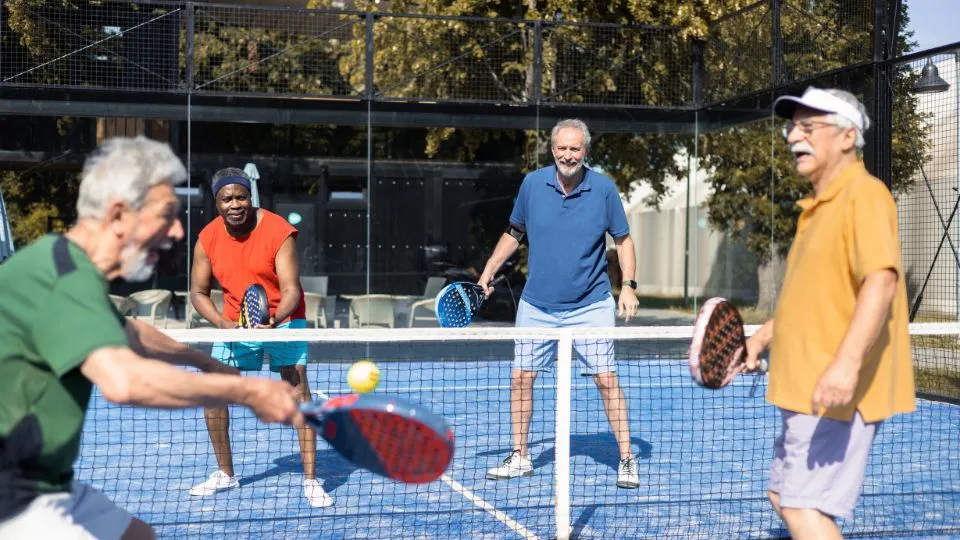
The sport is also inclusive. Children, adults, and seniors can play together in the same ecosystem, and mixed-skill doubles makes onboarding much easier than in many single-player formats.
Another growth factor is accessibility. Many clubs provide racket rentals, beginner clinics, and intro events, lowering the barrier to entry. New players can test the sport first and invest in equipment later.
Social media, local events, and city-level tournaments are accelerating visibility, while corporate and community groups adopt padel for team activities and recurring social sports nights. The result is a sport that combines movement, competition, and social connection in one format.
2) History of Padel: From Mexico to Romania
What is padel history? The sport started in Mexico and expanded step by step across continents before becoming established in Romania and other growing markets. Understanding that timeline helps explain why padel evolved from a private-court idea into a global club and competition ecosystem.
In this chapter, we follow the full journey: the 1960s origins, European acceleration, Romania's first facilities, and the way local communities turned padel into a social and cultural sport.
Origins of Padel in the 1960s
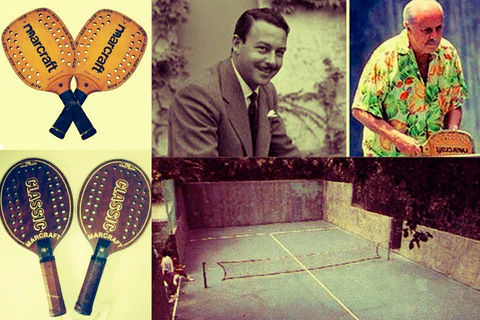
Padel was created in 1969 by Enrique Corcuera in Acapulco, Mexico. He wanted a practical game for a limited private space that could not fit a full tennis court. The solution was a 20x10 meter court with surrounding walls that kept rallies alive and added tactical rebounds.
He used solid rackets with no strings and lower-pressure balls, shaping the technical identity of the sport from day one. The concept solved two major barriers at once: court footprint and beginner accessibility.
Early adopters in Corcuera's circle began replicating the court format in Mexico, and by the 1970s padel had already spread through social clubs and resort environments in Latin America.
A key moment came when Alfonso de Hohenlohe discovered the game and brought it to Spain. That transition moved padel from local innovation to international expansion.
Initial rules were less formal than today's standards, but the core gameplay model was already there: compact doubles, controlled pace, and strategic wall usage.
How Padel Evolved in Europe
Europe became the main growth engine in the 1970s and 1980s, especially Spain. The first known Spanish court in Marbella helped kick off rapid club adoption, first in coastal resorts and then in major cities.
Spain's urban density and social-sport culture made padel a strong fit. Compact court dimensions made facility rollout easier than traditional tennis-only development.
Argentina also became a major force, producing elite talent and mass participation. Professional circuits and televised matches accelerated global visibility and raised the technical standard of play.
In 1991, the International Padel Federation (FIP) helped standardize rules globally. In the next phase, professional tours added structure, media attention, and aspirational pathways for players in both established and emerging markets.
By the 2010s, this ecosystem influenced additional European countries, including Eastern Europe. Romania entered the wave with growing player interest, new courts, and local tournaments.
From a historical perspective, padel in Europe is a model of how a social sport can scale quickly when infrastructure, coaching, and recurring local events grow together.
How Padel Reached Romania
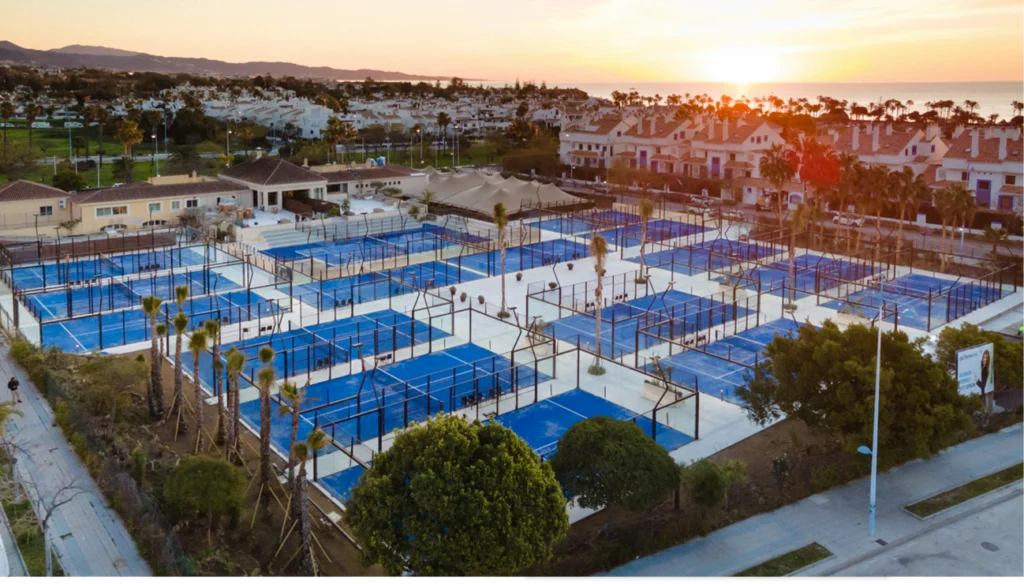
Romania's early phase started around 2013 with first-court development in Bucharest. What began as a niche format quickly became a scalable urban sport with demand across multiple cities.
Entrepreneur-led club projects, indoor court investments, and community-led play groups helped build the first sustainable player base. As in many countries, expat communities were an early catalyst for adoption.
Between 2015 and 2020, growth accelerated through better facilities, new coaching programs, and increasing tournament activity. Players moved from occasional social sessions to structured training and competition.
Romanian padel also benefited from international alignment through federation activity, coaching exchange, and closer exposure to professional-level standards from Spain and Argentina.
City ecosystems such as Bucharest, Cluj-Napoca, Timisoara, and Constanta expanded access with both indoor and outdoor offers, helping the sport become year-round and more inclusive.
In practical terms, Romania followed the same proven trajectory seen elsewhere: infrastructure first, then community density, then competitive depth.
Padel in Romanian Sports Culture
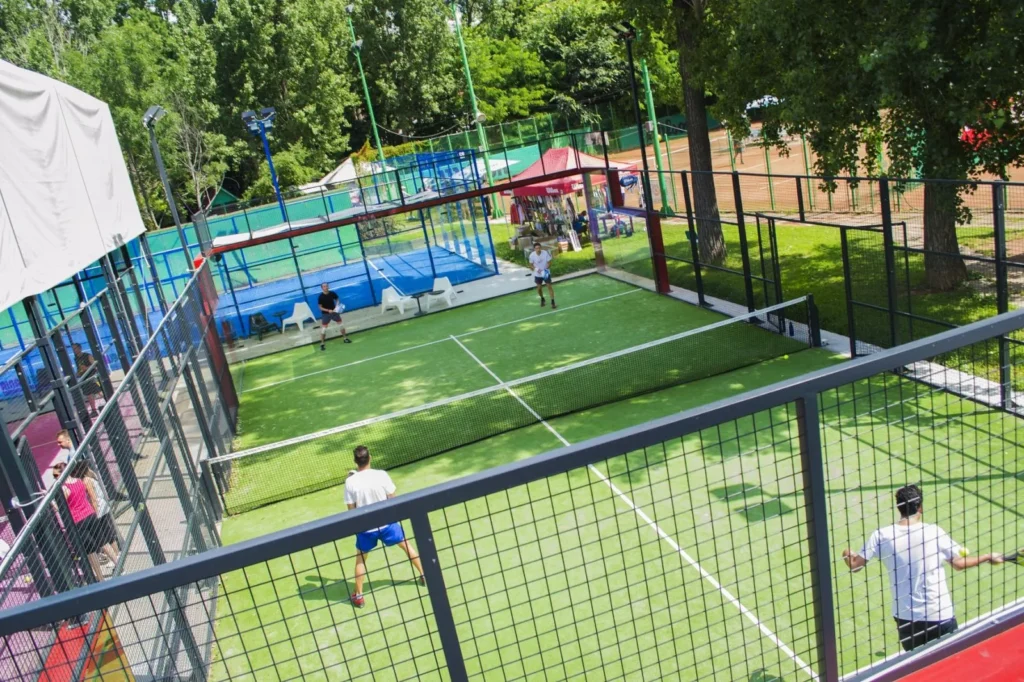
Padel gained traction in Romania because it matches how modern communities engage with sport: social, active, and accessible. It works for beginners, mixed-skill groups, and players coming from tennis, football, fitness, or no prior racket background.
Corporate groups, friends, and families adopted it as a recurring activity, while clubs built local culture through leagues, open-play formats, and community events.
Educational environments also contributed, with schools and universities introducing padel-style activities to make racket sports more approachable for younger players.
Inclusion became a strong differentiator compared with traditional competitive sports. Many clubs developed targeted sessions for specific communities, such as:
- Kids programs focused on movement, coordination, and fun-first fundamentals.
- Women's social sessions designed for low-friction entry and community building.
- Senior sessions with adjusted intensity and coaching support.
Social media communities reinforced this growth by organizing matches, sharing tips, and documenting local tournaments. The digital layer helped convert first-time players into active participants.
Municipal and private initiatives also supported expansion by adding public or semi-public courts in more cities. This improved reach beyond early premium clubs.
Culturally, padel in Romania now represents more than a sport. It is a community format that combines exercise, social connection, and accessible competition across generations.
3) Types of Padel and Playing Styles
Padel is not one rigid format. It includes multiple play environments and tactical approaches that can be adapted to player goals, climate, and court availability. Understanding these variations helps answer what is padel gameplay in practical terms.
In the USA, players move between classic club padel, seasonal beach formats, and different strategic styles based on skill level and match context. Court type also matters: indoor and outdoor setups produce different pace, consistency, and tactical choices.
Classic Padel vs Beach Padel
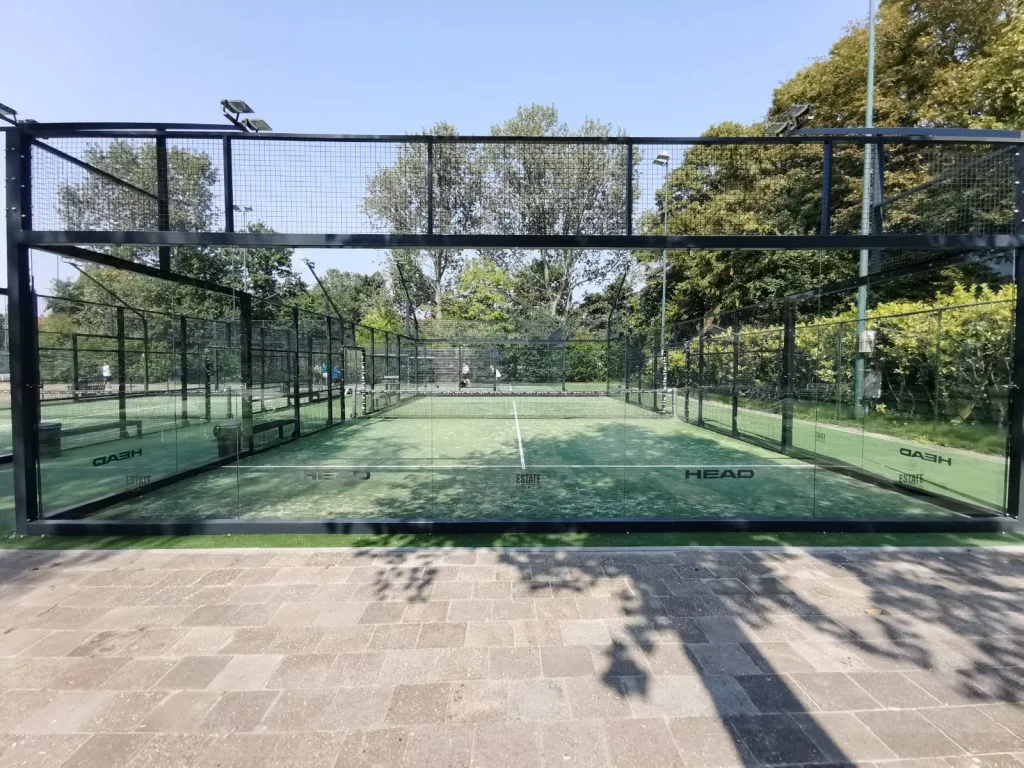
Classic padel is the standard version played on a 20x10 meter enclosed court with glass and mesh walls. Most U.S. clubs use artificial turf and controlled lighting, which supports year-round training, league play, and consistent match quality.
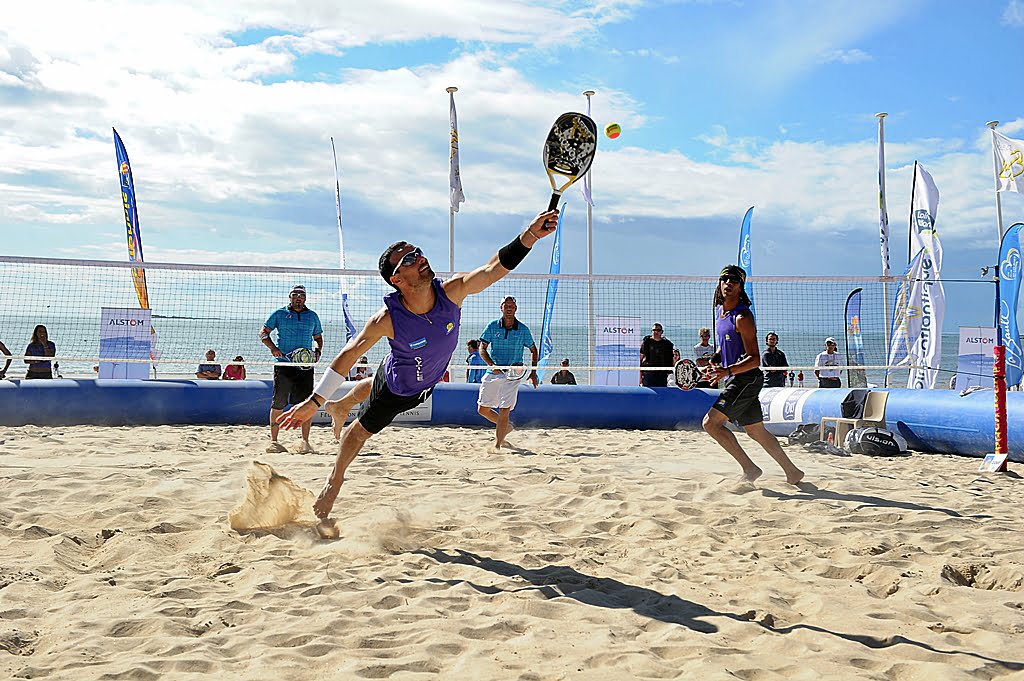
Beach padel is a lighter, seasonal variant usually played on sand and often without the same rebound-wall dynamics. It shifts the game toward direct shot quality, movement endurance, and reaction under unstable footing.
In the USA, beach-style formats are more common in coastal regions during warm seasons, while classic club padel remains the dominant structure for regular play and development.
Key differences between the two formats:
- Surface: classic uses artificial turf; beach uses sand.
- Wall game: classic includes wall rebounds; beach usually does not.
- Physical demand: beach play requires more leg endurance and stability.
- Availability: classic is widespread in U.S. clubs; beach is more seasonal and location-dependent.
From a player-development perspective, classic padel is usually the best entry point, while beach formats are a useful complement for variety, conditioning, and social summer sessions.
Playing Styles: Offensive, Defensive, Hybrid
Padel players typically develop one of three core styles: offensive, defensive, or hybrid. There is no single "correct" style; the best option depends on your strengths, partner chemistry, and opponent profile.
Offensive style emphasizes net control, quick volleys, and point-finishing shots. Defensive style prioritizes consistency, lobs, wall management, and error reduction. Hybrid style combines both and adapts point by point.
In U.S. recreational and league environments, hybrid play is often the most effective because it allows teams to adjust quickly against mixed-skill opposition.
Style overview:
- Offensive: ideal for aggressive net players who can end points early.
- Defensive: ideal for control-focused players building long rallies.
- Hybrid: ideal for adaptable teams that switch tempo strategically.
| Playing Style | Core Profile | Strengths | Tradeoffs |
|---|---|---|---|
| Offensive | Fast pace, net pressure, shot-finishing intent | Wins points quickly, controls rhythm | Higher unforced-error risk if timing drops |
| Defensive | Consistency, lobs, wall control, patience | High stability, forces opponent mistakes | Can become passive without counter-attacks |
| Hybrid | Alternates between pressure and reset phases | Flexible against varied opponents | Needs communication and tactical awareness |
Padel Courts in the USA: Indoor vs Outdoor
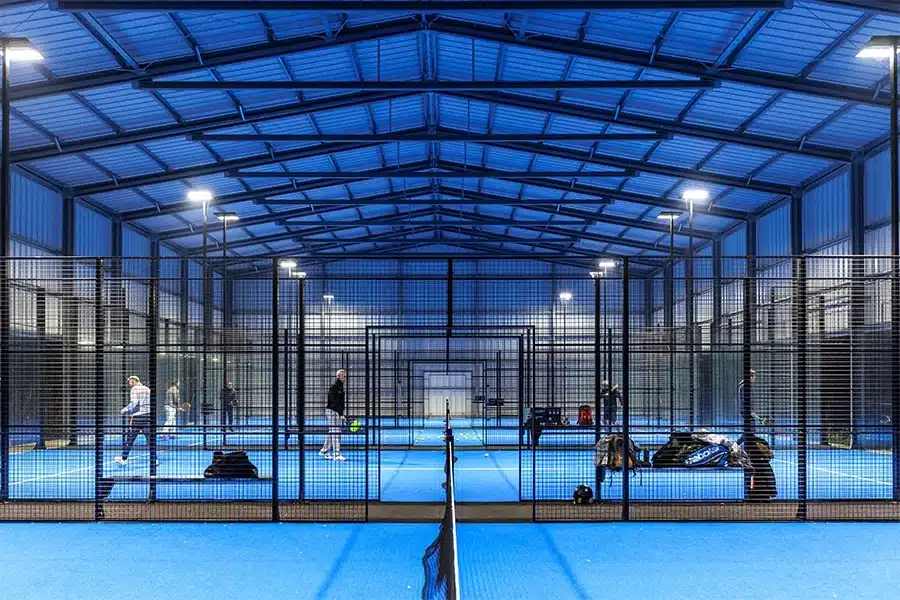
U.S. players typically choose between indoor and outdoor courts depending on weather, schedule, and budget. Indoor courts provide predictable play and better year-round reliability. Outdoor courts offer open-air experience and are often preferred in mild climates.
Indoor play generally delivers more stable bounce and less wind interference, which supports technical sessions and match consistency. Outdoor play introduces environmental factors that can improve adaptability but may reduce predictability.
Regional climate plays a major role: indoor capacity is especially valuable in cold or wet seasons, while outdoor courts remain highly active in warmer states for extended periods.
Court quality also matters. Well-maintained turf, clean glass, and proper lighting have direct impact on safety, confidence, and tactical execution.
In practical terms, most players benefit from using both formats: indoor for consistency and structured development, outdoor for adaptation and match resilience.
| Court Type | Advantages | Limitations | Common U.S. Use Cases |
|---|---|---|---|
| Indoor | Year-round reliability, weather protection, stable bounce | Higher operating and booking costs in some markets | League play, coaching programs, winter training |
| Outdoor | Open-air feel, often lower cost, broader seasonal access | Wind/sun/rain impact, variable schedule reliability | Social sessions, warm-state regular play, weekend matches |
4) Understanding Rules and Equipment in Padel
To fully answer what is padel, players need two practical foundations: rules and equipment. Padel is beginner-friendly, but clarity on serving, scoring, court use, and gear selection makes a major difference in performance and safety.
This chapter covers the core rule set, required equipment, how to choose the right racket, and top racket brands commonly used by players in the USA.
Essential Padel Rules
Padel is played in doubles on a 20x10 meter enclosed court. The objective is to win points by placing the ball so opponents cannot return it legally.
The serve is underhand and must be hit below waist level from behind the service line. The ball must land diagonally in the opponent's service box. Wall rebounds are valid after the ball bounces, which creates the sport's tactical depth.
Scoring follows tennis: 15, 30, 40, game. Sets are usually first to 6 games with a two-game margin, and a tiebreak at 6-6.
Core in-play rules include:
- No player may touch the net during a live point.
- The same player cannot strike the ball twice in succession.
- If the ball hits your own wall before crossing the net, the point is lost.
- Out-of-court recovery is only allowed where facility rules and court design permit it.
- Fault service scenarios are replayed or lost according to standard serve sequence rules.
At U.S. club level, clear rule awareness reduces disputes and speeds up match flow, especially in open-play and league settings.
Basic Equipment: Racket, Balls, Shoes
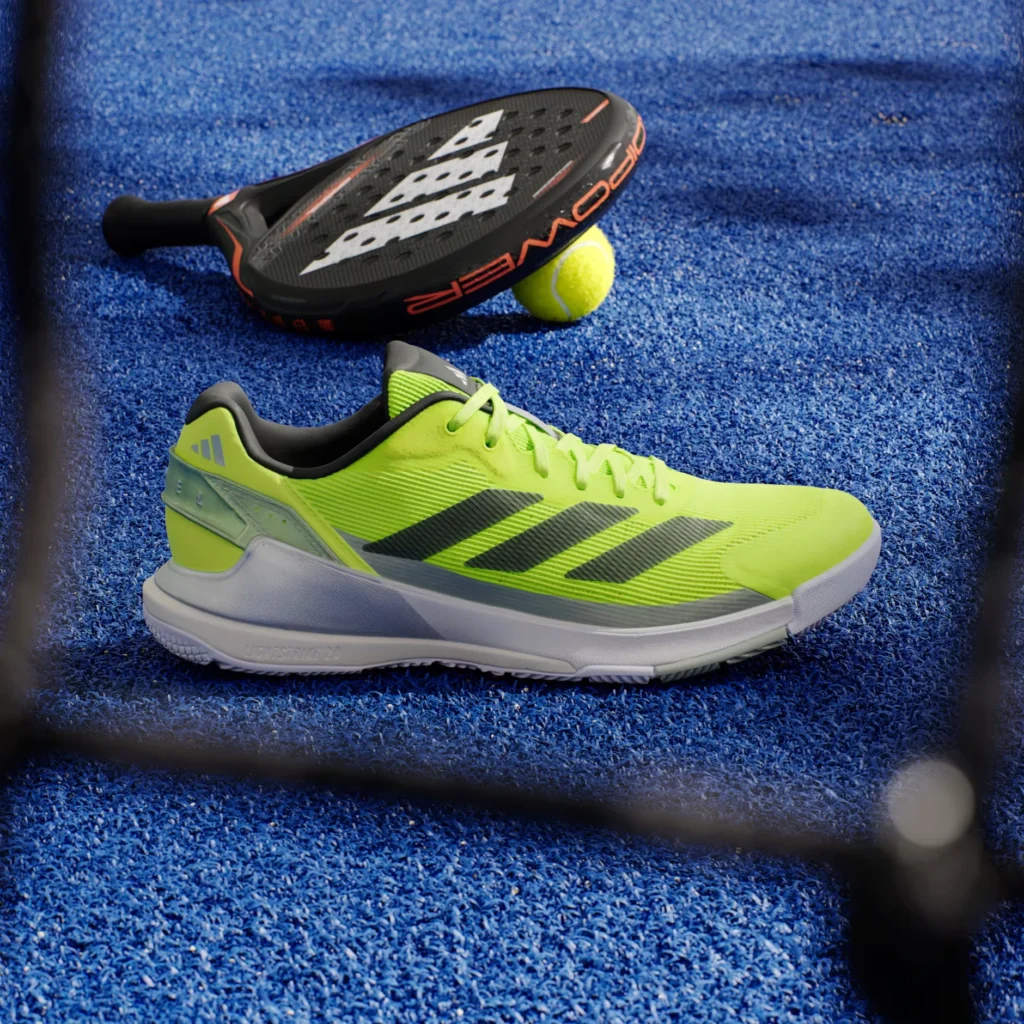
You only need a few essentials to start: a padel racket, padel balls, and proper court shoes. Most U.S. facilities also offer rental gear, so beginners can start without large upfront cost.
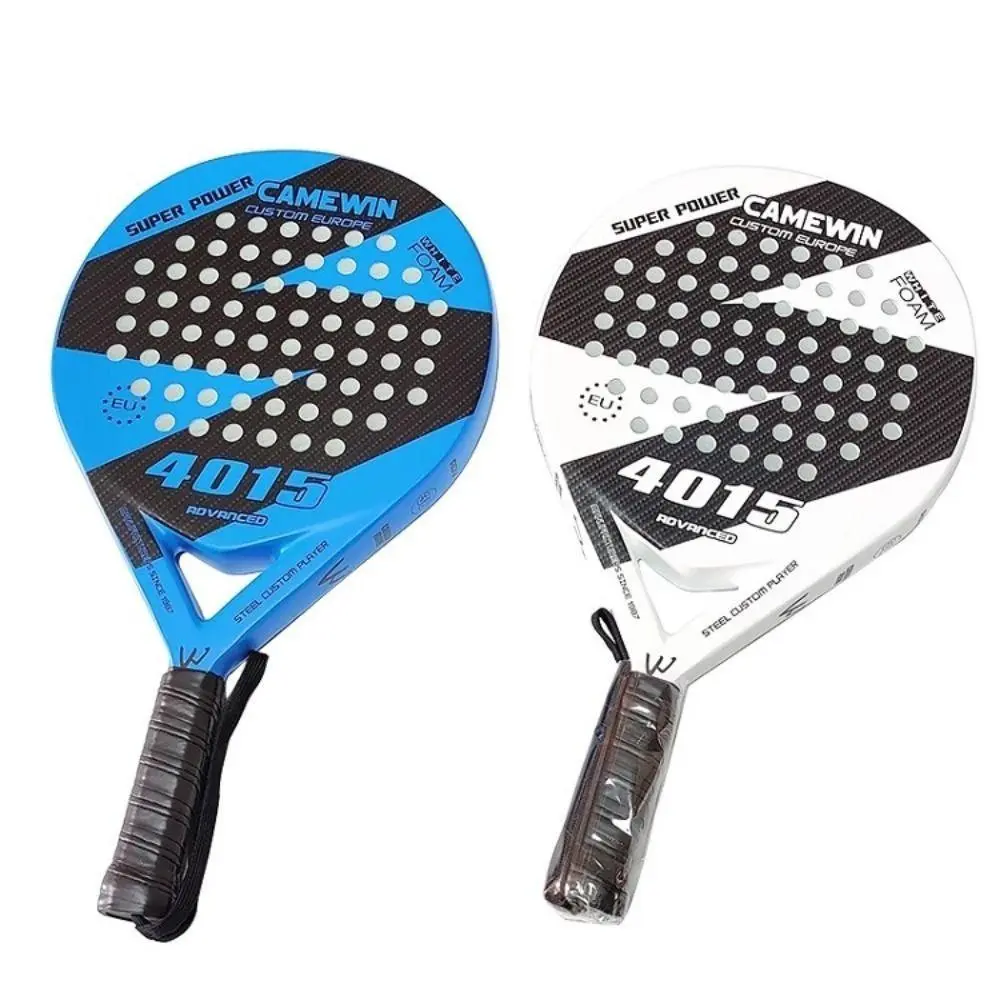
Rackets: solid-faced, stringless, and typically built with fiberglass or carbon structures plus EVA core.
Balls: visually similar to tennis balls but with lower pressure for controlled bounce and wall-play rhythm.
Shoes: non-marking court shoes with lateral support are important for traction and ankle stability during quick directional changes.
Useful optional accessories:
- Racket bag for transport and thermal protection.
- Overgrips and wristbands for comfort and sweat control.
- Protective eyewear for higher-speed competitive sessions.
- Breathable performance apparel for long indoor or summer play.
For beginners in the USA, renting first and buying later remains the safest path to avoid overpaying for mismatched equipment.
How to Choose the Right Padel Racket
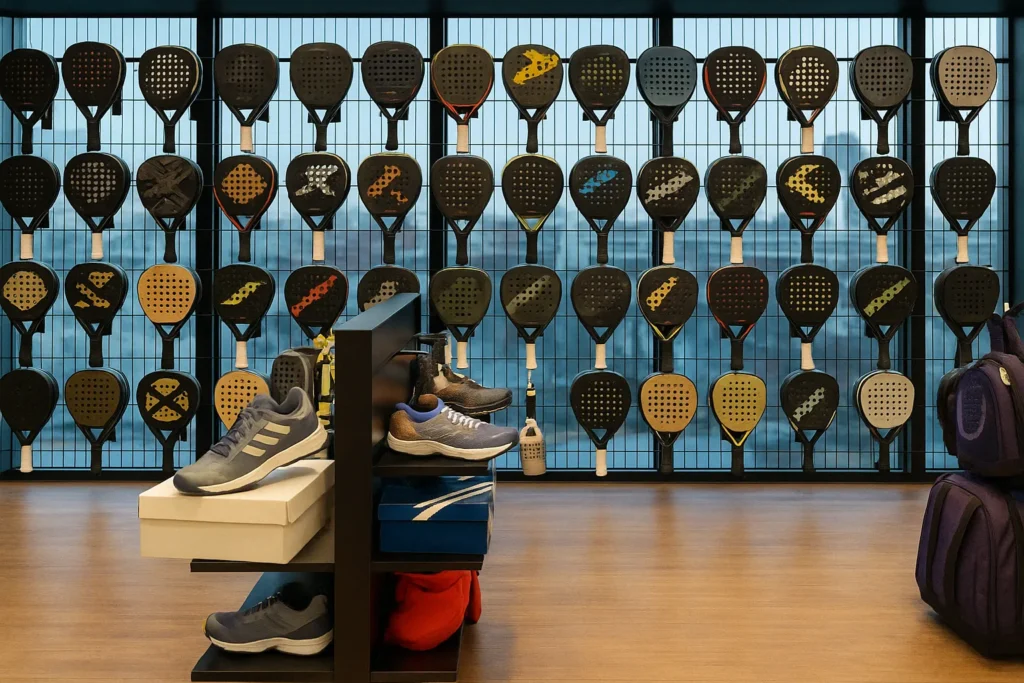
Choosing a racket depends on level, playing style, and comfort. Start with control-focused options, then shift toward power-oriented models as your timing and technique improve.
Key factors:
- Shape: round (control), teardrop (balanced), diamond (power).
- Weight: lighter for maneuverability, heavier for stability and punch.
- Material: fiberglass for comfort/value, carbon for durability/response.
- Core feel: softer EVA for control, harder EVA for power output.
- Grip setup: proper handle size and overgrip layering for joint comfort.
A practical approach for most U.S. beginners: start with a round or teardrop racket in the lighter-to-mid weight range, then reassess after several weeks of regular sessions.
If possible, demo different models before buying. Testing swing feel and contact confidence on court is more useful than specs alone.
Top 5 Padel Racket Brands Widely Available in the USA
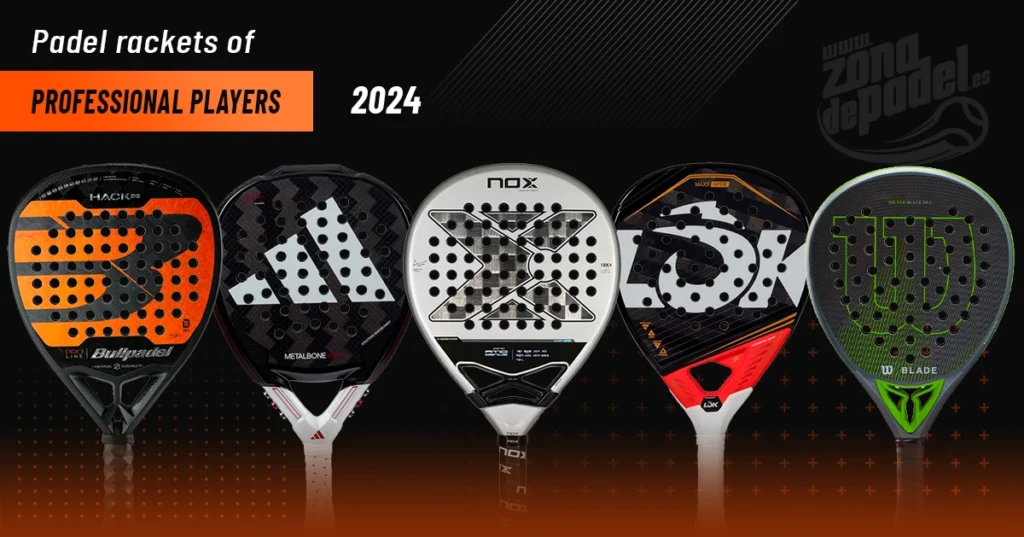
The U.S. market includes both global premium brands and strong value options. Popular choices across skill levels include:
- NOX: control-focused models and strong comfort profile for technical play.
- Bullpadel: popular among advanced players seeking power and stability.
- Head: balanced all-round catalog with broad beginner-to-advanced coverage.
- Adidas: modern high-performance lines with aggressive power options.
- Wilson: accessible entry and intermediate models with predictable feel.
Brand alone should not drive the decision. Prioritize fit to your level and playing style, then compare models within your target budget.
| Brand | Typical Player Fit | Profile | Usual Strength |
|---|---|---|---|
| NOX | Beginner to advanced | Control-forward, comfort-oriented | Consistency and touch |
| Bullpadel | Intermediate to advanced | Power and competition models | Explosive finishing |
| Head | All levels | Balanced model ecosystem | Versatility |
| Adidas | Intermediate to advanced | Performance-driven frames | Aggressive attacking game |
| Wilson | Beginner to intermediate | Accessible and user-friendly | Value and easy transition |
5) Safety Practices and Preparation for Padel
Padel is accessible, but safe progression still matters. Warm-up quality, movement habits, protective gear choices, and court awareness all influence injury risk and long-term consistency.
This chapter covers practical safety routines for players in the USA, including preparation before play, beginner risk management, and in-court safety standards.
Warm-Up and Injury Prevention
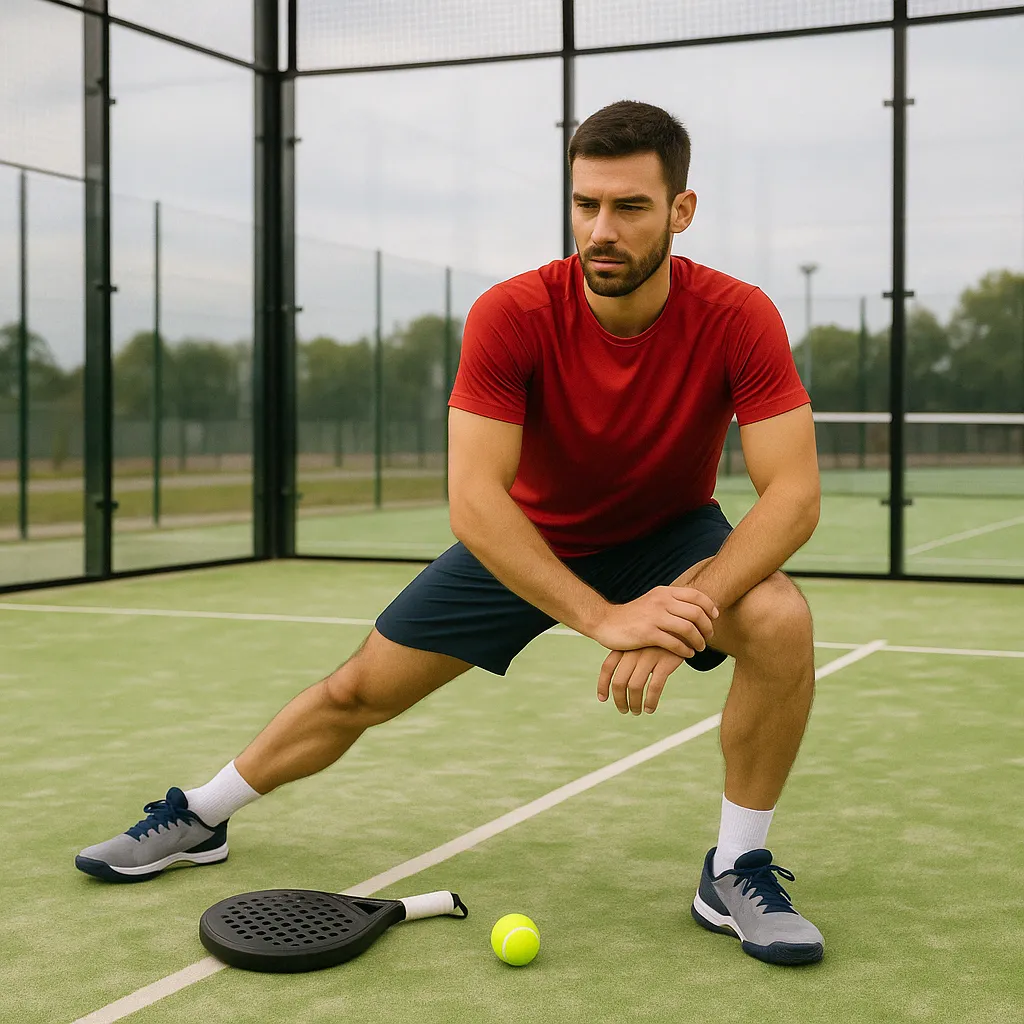
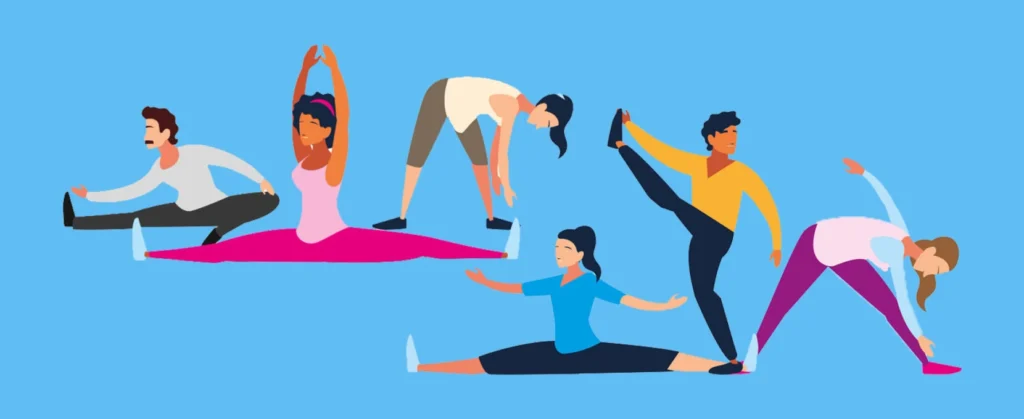
A structured 10-15 minute warm-up should be standard before every session. Padel includes fast stops, acceleration, torso rotation, and repeated shoulder action; skipping prep increases risk of strains and joint overload.
Recommended warm-up flow:
- 3-5 minutes light movement to raise body temperature.
- Shoulder and wrist mobility drills for racket readiness.
- Dynamic hip/hamstring/calf activation for court movement.
- Short reaction footwork patterns.
- Progressive rally hits before full-intensity points.
Also manage training load: increase volume gradually, hydrate consistently, and stop early when pain replaces normal fatigue.
Protective Gear: What You Actually Need
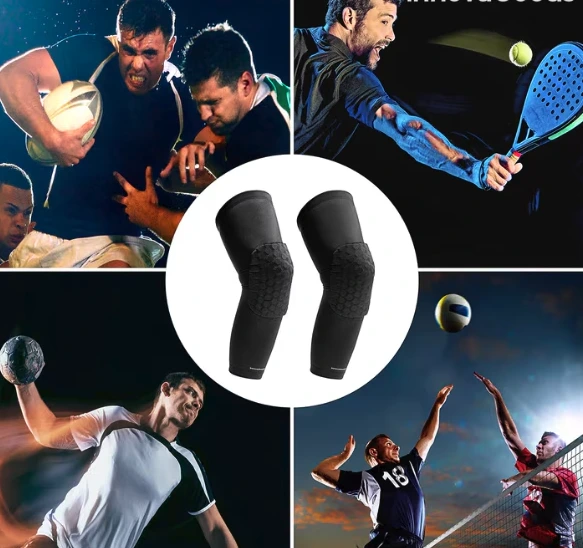
Padel is not a heavy-contact sport, but basic protective choices improve safety and comfort:
- Court shoes: non-marking sole + lateral support for traction and stability.
- Wrist/overgrip support: improved control and reduced slippage.
- Optional eye protection: useful in high-speed competitive environments.
- Knee/ankle support: relevant for players with prior joint sensitivity.
- Breathable apparel: helps regulate heat and sustain movement quality.
In U.S. club settings, proper shoes and grip management are the two most common improvements that reduce early-stage injury risk.
Beginner Safety Tips in Padel
New players can progress quickly with fewer setbacks if they use a low-friction safety framework:
- Start with shorter sessions and expand duration over time.
- Prioritize control over power in the first weeks.
- Use clear partner calls to avoid collisions.
- Learn wall-reading before chasing difficult recovery shots.
- Respect recovery days to avoid overload cycles.
- Join coached beginner sessions to build correct movement patterns early.
Most beginner injuries are preventable and usually linked to rushed intensity, poor footwear, or lack of communication in doubles.
Court Safety Standards in the USA
Safe match environments depend on both facility quality and player behavior. Before play, check surface condition, glass integrity, and lighting clarity.
Operational safety checklist:
- Ensure playing surface is clean and dry.
- Follow club occupancy and rotation rules.
- Keep bags and bottles outside active movement lanes.
- Use controlled speed near walls until spatial awareness improves.
- Take hydration breaks during long sessions or high heat.
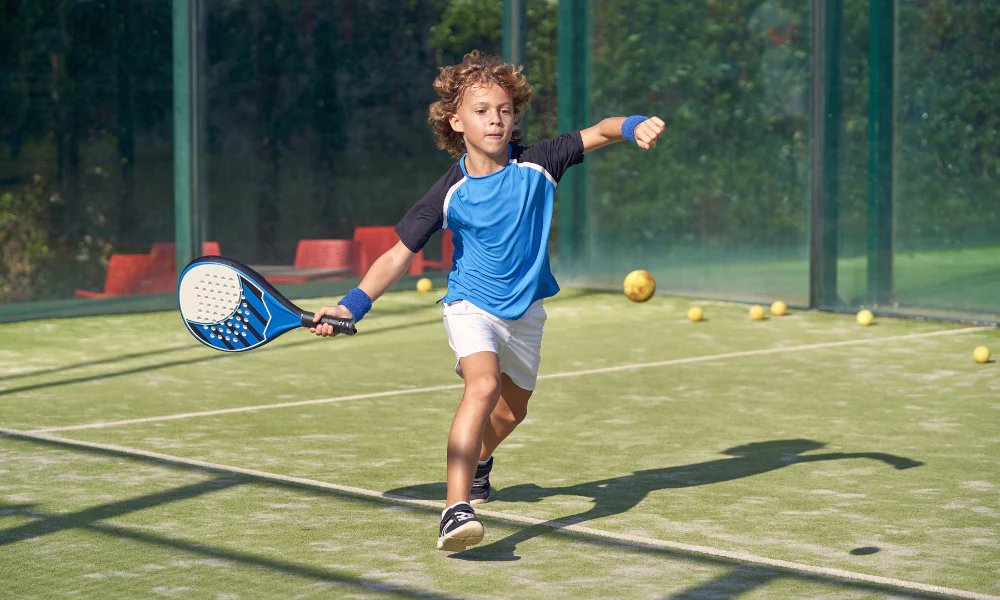
- Supervise junior players continuously during shared court activity.
Well-managed U.S. clubs usually combine clear facility protocols with coaching support, which keeps sessions safer for both recreational and competitive players.
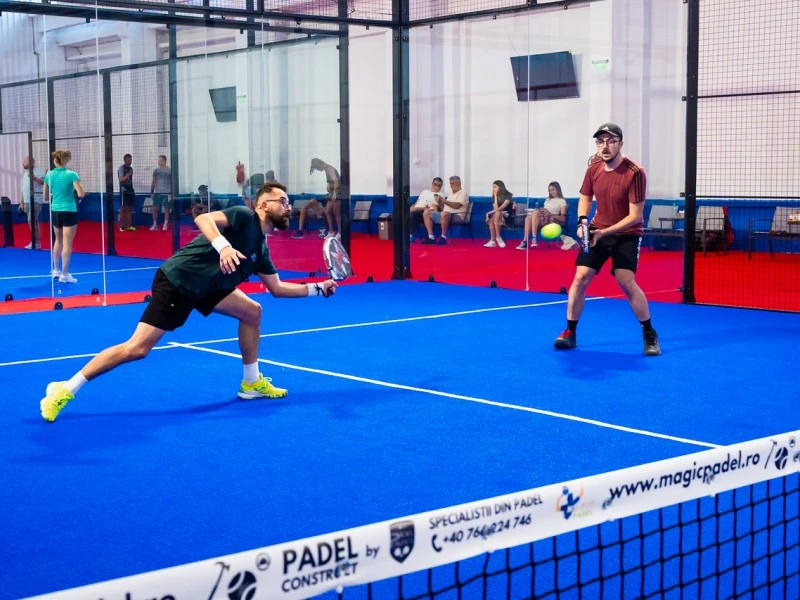
6) Padel Communities in the USA and Sport Culture
Padel communities in the USA are expanding quickly, turning the sport into more than match play. Clubs now serve as social hubs where players connect, train, compete, and build long-term routines around a shared sport culture.
Growth is driven by facility development, recurring events, and a welcoming mixed-level format. From first-time players to advanced competitors, U.S. communities are building a clear path from entry-level play to structured competition.
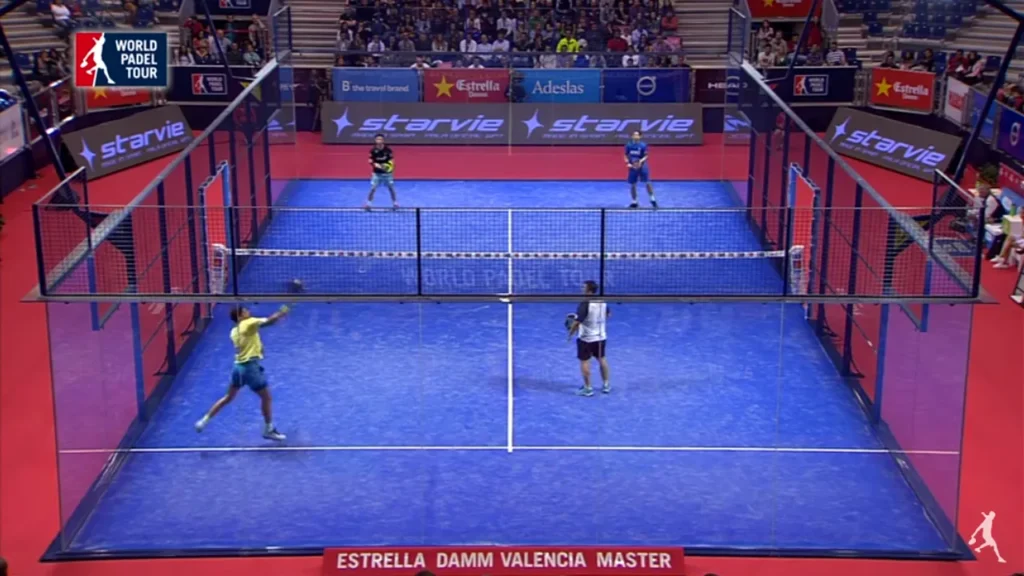
Clubs and Community Networks in the USA
U.S. clubs are the backbone of local padel ecosystems. They provide courts, coaching, social programming, and competitive ladders that keep players active year-round.
Beyond physical facilities, digital communities help players find partners, organize matches, and discover events. This blend of in-club and online participation significantly lowers friction for newcomers.
The strongest community hubs typically combine three things: reliable court access, beginner onboarding pathways, and recurring social play blocks that help new players stay engaged.
Events and Tournaments Across U.S. Markets
Event programming is now one of the main growth engines in U.S. padel. Clubs run social mixers, weekend ladders, amateur cups, and rating-based doubles events that allow progressive skill development without high entry barriers.
Competitive calendars are also maturing, with city and regional tournaments creating continuity for serious players. This structure helps transition communities from casual sessions to sustainable competition.
Well-designed events also improve retention: players return not just for matches, but for identity, belonging, and consistent social interaction around the sport.
Padel Culture: From Amateurs to Competitive Players
U.S. padel culture is strongly inclusive. Beginners and advanced players often share the same venues through separate formats and time slots, creating a layered ecosystem instead of an isolated elite scene.
Social-first participation remains a core strength, but performance pathways are increasingly visible through clinics, private coaching, and structured match ladders.
This dual identity, recreational and competitive at the same time, is one of the reasons padel has strong long-term adoption potential in the U.S. sports landscape.
| U.S. Hub Example | Community Pattern | Typical Infrastructure | Culture Signals |
|---|---|---|---|
| South Florida | High-volume social and league participation | Indoor + outdoor multi-court clubs | Frequent ladders and recurring events |
| Texas Metro Areas | Fast growth through new club openings | Large-format club development | Beginner clinics and corporate groups |
| Northeast Cities | Strong demand for reliable year-round play | Indoor-focused facilities | Structured leagues and night sessions |
| West Coast Urban Zones | Mixed recreational + performance progression | Premium courts and coaching programs | Skill-based event segmentation |
| Emerging Secondary Cities | Community formation stage | Smaller clubs with high local stickiness | Social onboarding and grassroots tournaments |
7) Common Myths About Padel in the USA
Several myths still slow down adoption in the U.S. market. Most are outdated assumptions about price, seasonality, or learning difficulty. Clarifying them helps more people try padel with the right expectations.
Myth 1: \"Padel Is Only for Wealthy Players\"
Myth: Padel is often perceived as an elite-only sport.
Reality: U.S. access points are expanding. Many clubs offer intro sessions, equipment rentals, open-play blocks, and off-peak pricing that keep entry costs manageable for regular players.
At community level, participation is increasingly mixed across age groups, backgrounds, and skill tiers. Social format and shared court use make onboarding easier than in many traditional racket pathways.
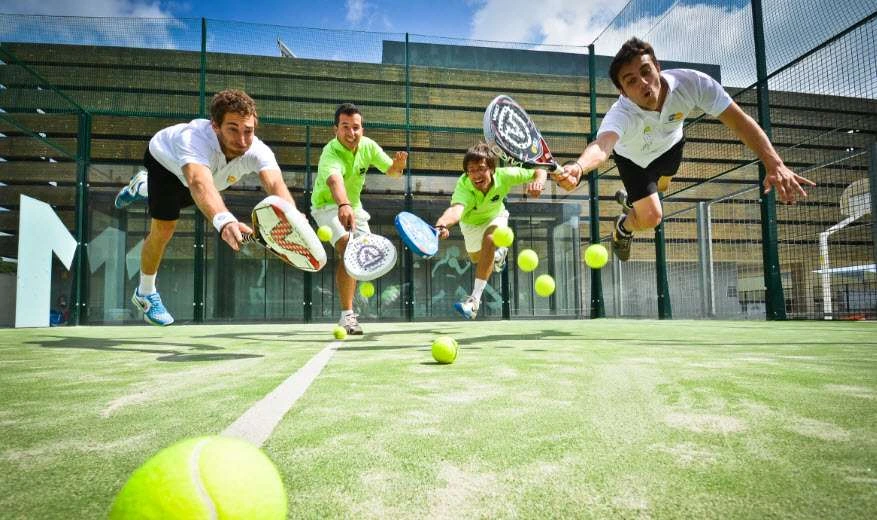
Myth 2: \"Padel Is Only a Summer Sport\"
Myth: Padel can only be played in warm weather.
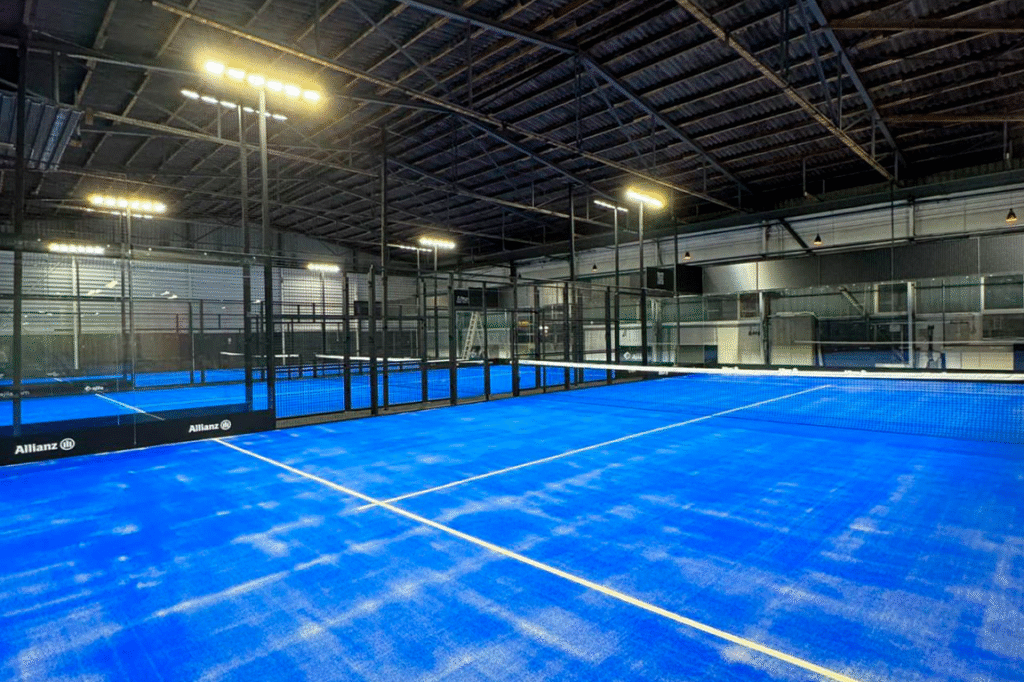
Reality: Indoor facilities make year-round U.S. play possible. In many markets, indoor demand is strongest in colder or unstable weather months, supporting continuous leagues and coaching cycles.
Even where outdoor play is dominant, mixed indoor/outdoor ecosystems help stabilize participation and keep player development consistent through all seasons.
Myth 3: \"Padel Is Hard to Learn\"
Myth: New players need advanced racket-sport background to enjoy padel.
Reality: Padel has one of the most accessible learning curves in racket sports. Most beginners can rally and play meaningful points early, especially in coached intro formats.
Court size, doubles structure, and wall-assisted recovery create longer exchanges, which speeds up confidence building for first-time players.
Why Debunking Padel Myths Matters
Myth correction is not just marketing; it directly affects adoption quality. When expectations are realistic, players start faster, stay longer, and integrate better into local communities.
For the U.S. market, this is especially important during expansion. Accurate information supports healthier growth across clubs, leagues, youth programs, and social ecosystems.
In short, removing myths lowers entry friction and helps more people discover the full value of padel: movement, competition, and social connection in one format.
8) How to Start Playing Padel in the USA
Getting started in padel is straightforward when you follow a practical sequence: find a local court, join a club or open-play ecosystem, take beginner lessons, and build consistency through short, repeatable sessions.
U.S. infrastructure is growing quickly across major metro areas, so access is improving for both first-time players and returning racket-sport athletes. A practical starting point is the USA padel clubs directory, where you can quickly map active regions.
Find a Padel Court Near You
Start by identifying nearby facilities with reliable booking options. The fastest path is using club directories, booking apps, or local player communities to confirm court availability, pricing windows, and beginner-friendly time slots. You can start with padel clubs in the USA, then drill into state pages like padel courts in Florida or padel courts in California.
In U.S. markets, you will usually find a mix of premium clubs, community-driven facilities, and newer expansion sites. Prioritize venues with clear onboarding support and accessible rental gear; if you are comparing growth markets, check examples like padel courts in Texas.
If you do not yet have partners, look for clubs that run open-play formats. These reduce the friction of organizing full groups and accelerate community integration.
Join a Club or Local Community
Club membership is helpful but not always required. Many U.S. facilities support both members and pay-per-session players, which gives beginners flexibility during the first months.
A local community matters as much as the court itself. Active groups create repeat play, consistent partner matching, and smoother progression from social sessions to structured matches. For dense metro matchmaking, state hubs such as padel courts in New York are useful.
The best onboarding environments combine scheduling clarity, welcoming player culture, and events designed specifically for new participants.
Beginner Lessons and Early Training
Intro coaching is the highest-leverage step for fast progress. Even a few guided sessions can correct common movement and contact errors before they become habits.
Focus early on serve mechanics, basic volleying, wall reading, and doubles positioning. These fundamentals create immediate match stability and confidence.
Group clinics are usually cost-efficient, while private coaching is best when you want to solve specific technical issues faster.
Practical Tips to Improve Faster
- Play frequent short sessions instead of rare long sessions.
- Prioritize clean contact and court positioning before power.
- Use partner communication every point to reduce overlap and errors.
- Practice wall anticipation intentionally, not only in match chaos.
- Watch high-level padel to learn tempo control and point construction.
- Join low-pressure local events to gain match repetition.
- Track one skill focus per week (serve, volleys, lobs, recovery).
Padel rewards consistency more than intensity. A stable weekly routine outperforms occasional peak-effort sessions in both learning speed and injury prevention.
9) Padel and Social Relationships in the USA
Padel is one of the strongest social formats in modern sport. Doubles structure, fast game cycles, and club-centered communities make it naturally effective for building real connections.
In U.S. markets, this social layer is a major adoption driver for friend groups, families, workplace communities, and people relocating to new cities. If you are moving and want to rejoin play fast, use the clubs in USA page to find your next local ecosystem.
How Padel Builds Social Connection
Every session requires communication, trust, and shared tactical decisions. That repeated collaboration creates stronger interpersonal familiarity than many solo fitness routines.
Post-session interaction is also part of the culture: players often stay to discuss points, organize rematches, or plan future sessions. Over time, this creates community stickiness and long-term retention.
For many U.S. players, padel becomes both a sports activity and a structured social anchor in weekly life.
Organizing Friendly Padel Meetups
Friendly meetups are easy to run with a simple structure: reserve one court, rotate doubles, keep game windows short, and include skill-balanced pairings.
Clubs with integrated booking tools make this process faster, and community channels help fill open spots quickly when players drop.
Lightweight meetup formats are ideal for growing both skill and social network at the same time.
Padel as a Family and Friends Activity
Padel works well for mixed-age and mixed-level groups. Court dimensions, doubles rhythm, and moderate intensity make it approachable for families and casual friend sessions.
Many U.S. clubs now run family slots, beginner social nights, and low-pressure weekend formats, making padel an easy replacement for passive group leisure.
It is also a strong option for workplace team-building: active, collaborative, and easier to join than many high-skill sports.
Example: A Typical U.S. Padel Day
A common Saturday flow: a four-player group books a 90-minute slot, warms up briefly, plays two rotating doubles sets, then stays for recovery and social time in the club lounge area.
During play, communication and fast partner switching keep the session dynamic and inclusive. After play, players usually schedule the next meetup immediately, which is one reason padel communities scale through repetition.
This mix of movement, competition, and social continuity is a core reason padel is gaining momentum across U.S. cities.
10) Padel Equipment and Accessories in the USA
The right equipment improves comfort, performance, and injury prevention. U.S. players now have broad access to entry-level and advanced gear across online and in-store channels.
This chapter covers beginner essentials, where to buy, safety checks for equipment quality, and a practical cost overview for the U.S. market.
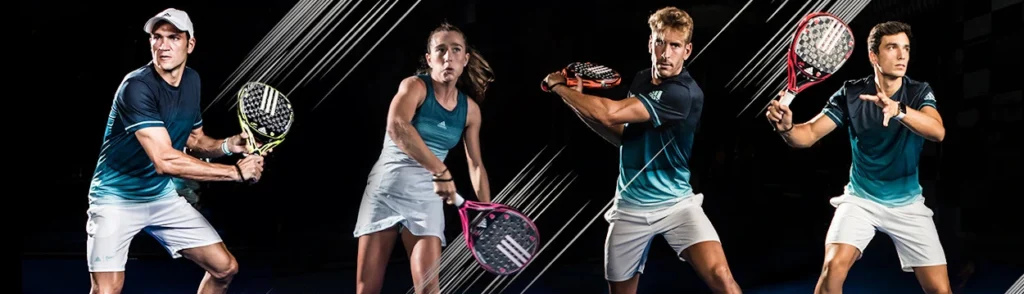
Essential Equipment for Beginners
New players only need a simple core setup to start safely:
- Padel racket: round or teardrop profile for control and easier contact.
- Padel balls: lower-pressure balls designed for wall-play consistency.
- Court shoes: non-marking sole and lateral support for safer movement.
- Gear bag: practical storage for racket, balls, grips, and hydration items.
Most clubs in the USA offer rental options, so players can test setups before purchasing full personal gear.
Where to Buy Padel Gear in the USA
U.S. players typically buy through four channels: major sporting retailers, specialized online padel shops, club pro shops, and second-hand marketplaces for starter gear.
- Sport retailers: good for entry-level models and shoe options.
- Padel-specialized e-commerce: wider premium inventory and expert filters.
- Club shops: easier model testing and local fit guidance.
- Resale channels: useful for budget onboarding if condition is verified.
Before purchasing, compare total cost including grips, shipping, and replacement cadence for frequently used consumables.
Equipment Safety Considerations
Safety depends on equipment condition as much as brand selection. Use this quick checklist:
- Inspect racket surface and frame for cracks or structural wear.
- Replace overused balls that create unpredictable bounce behavior.
- Use court-specific shoes; avoid flat lifestyle soles on synthetic turf.
- Refresh grips regularly to prevent slippage and wrist overload.
- Add protective eyewear for high-speed or crowded competitive play.
Small maintenance habits significantly reduce avoidable errors and injury risk.
| Equipment | Typical U.S. Price Range | Best Entry Channel |
|---|---|---|
| Beginner racket | $90 - $180 | Retail + club demo stock |
| Padel balls (3-pack) | $6 - $12 | Club shop + online bundles |
| Court shoes | $80 - $170 | Sport retailers + online |
| Racket bag | $40 - $120 | Online specialty stores |
| Protective eyewear | $20 - $70 | Sport retail / online |
11) Padel and Mental Wellbeing
Padel supports mental wellbeing through three combined mechanisms: movement, social connection, and focused attention. This combination makes it easier to reduce stress while staying engaged in a sustainable weekly routine.
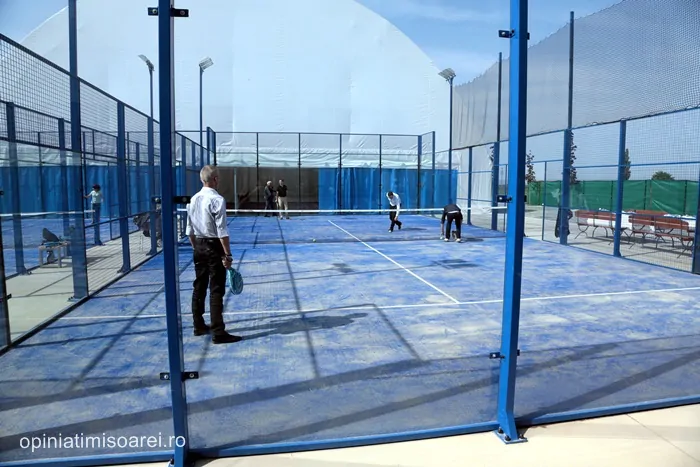
Mental Health Benefits of Padel
Regular sessions can improve mood stability, reduce stress load, and lower perceived isolation. Doubles interaction adds interpersonal support that many solo workout formats cannot provide.
Tactical decision-making also stimulates cognitive focus, helping players shift attention away from daily pressure loops and into present-moment execution.
How Padel Helps Reduce Daily Stress
Padel sessions naturally combine moderate physical exertion with social decompression. For many players, this creates a practical after-work reset that is easier to sustain than isolated gym routines.
Because sessions are fun and interactive, adherence tends to be higher, and consistency is where long-term mental benefits become visible.
Strategies to Maximize Mental Benefits
- Play on a predictable weekly schedule instead of ad hoc sessions.
- Use social formats that include people you trust and enjoy playing with.
- Focus on process and learning, not only score outcomes.
- Keep short recovery windows after play for hydration and reflection.
- Alternate competitive and low-pressure sessions to avoid emotional burnout.
When structured this way, padel becomes a repeatable mental-health support habit rather than occasional recreation.
Example: U.S. Player Experience
A typical pattern seen in U.S. communities: a high-stress knowledge worker starts with one beginner social session per week, then scales to two weekly sessions with a stable group. Within weeks, they report better mood, lower anxiety at the end of workdays, and stronger local social ties.
This outcome is common when sport, routine, and social belonging align consistently over time.
12) Legal and Administrative Aspects of Padel in the USA
As padel expands in the U.S., legal and administrative structure becomes critical for sustainable growth. Facility safety standards, operating permits, event compliance, and liability controls all shape whether clubs and tournaments can scale responsibly.
This chapter outlines core legal frameworks that operators and organizers should understand before launching or expanding padel activity.
Regulatory Requirements for Padel Courts
Court development in the USA typically requires local permitting, zoning compliance, and building code alignment. Indoor projects often have additional fire-safety, ventilation, and occupancy requirements compared with outdoor installations.
Operators should verify standards for surface specification, glass safety, drainage, lighting, and emergency access before construction approvals.
Early legal review during planning can prevent costly redesign, delayed opening, or noncompliant retrofits after build completion.
Club and Tournament Licensing Considerations
Competitive and large-format events often require additional approvals beyond normal club operation. This can include event permits, insurance certificates, and rule-governance alignment with recognized sport bodies.
For paid-entry or prize events, organizers should structure participant terms clearly and ensure tax reporting processes are correctly defined.
Administrative discipline at this stage increases event credibility and reduces operational risk.
Legal Risk Areas for Organizers
The most common legal exposures in U.S. padel operations include:
- Noncompliant construction or use permits.
- Inadequate participant liability waivers and incident protocols.
- Insurance gaps for injury, property damage, or event cancellation.
- Poorly documented safety maintenance routines.
- Tax and payment handling errors in tournament operations.
Strong legal hygiene is not optional at scale; it is a core part of safe growth.
Why Legal Structure Matters for U.S. Padel Growth
Legal structure protects players, supports investor confidence, and improves long-term stability for clubs and federated competition.
When operators treat compliance as a strategic layer instead of a checkbox, they build stronger trust with players, partners, sponsors, and local authorities.
In practical terms, safe infrastructure + clear governance is the foundation for any serious U.S. padel ecosystem.
13) Additional Resources for Padel in the USA
Beyond court time, players improve faster when they use strong supporting resources: learning materials, digital tools, communities, and trusted professionals.
This chapter highlights resource categories that help U.S. players build knowledge, connect with others, and improve more consistently.
Books and Learning Guides
Structured guides can accelerate tactical understanding and shorten trial-and-error cycles. Practical topics to prioritize include fundamentals, doubles positioning, wall strategy, and progression planning by level.
Even short study + application loops (read, drill, play) produce measurable improvements over time.
Websites and Digital Platforms
Digital tools are now core to U.S. player experience. Use platforms for court booking, match organization, training content, and event discovery.
- Booking tools for scheduling and partner matching.
- Video platforms for pro-match breakdown and tactical study.
- Club directories for regional discovery and expansion tracking.
- Performance tracking apps for session history and progress metrics.
A simple digital stack makes participation more consistent and scalable.
Communities and Events
Active community channels help players find games faster and stay engaged. Local groups, club ladders, and recurring mixers reduce dropout and improve long-term retention.
For skill development, combine community social play with periodic tournament exposure to improve adaptation and match discipline.
Professionals Who Can Support Your Progress
The most useful support roles in U.S. padel ecosystems include:
- Certified coaches for technical and tactical development.
- Tournament directors for structured competitive pathways.
- Facility specialists for safe court standards and operations.
- Fitness and recovery professionals for durability and injury prevention.
Working with the right professionals can speed progression while reducing avoidable setbacks.
14) Final Thoughts on Padel in the USA
Padel has brought new energy to the U.S. sports landscape and is rapidly becoming a sport people genuinely enjoy. With growing communities and expanding infrastructure, padel in the USA is more than a game: it is a practical way to connect people and promote healthier lifestyles.
This final chapter recaps the main benefits of padel, encourages new players to explore the sport, and outlines what the future can look like in the United States.
Recap of Padel Benefits
Padel offers value across physical, mental, and social dimensions. It helps improve fitness and coordination without the steep entry barrier many people associate with racquet sports.
Socially, padel naturally creates interaction because it is played in doubles. Friends, families, coworkers, and new players can all join with minimal setup, making the sport welcoming and sustainable.
Mentally, padel supports stress relief, focus, and mood improvement through movement, teamwork, and structured play.
Why You Should Explore Padel in the USA
If you are curious about racquet sports, what is padel in practical terms? It is one of the easiest and most social options to start with.
Across major U.S. cities and growing regional markets, new clubs and courts make entry easier than ever. You can book a court, borrow or rent equipment, and start playing quickly even as a complete beginner.
One session is usually enough to understand why the sport grows through word of mouth: fast rallies, teamwork, and a strong community atmosphere.
The Future of Padel in the USA
The trajectory of U.S. padel is strong. More courts, better coaching structures, and broader tournament pathways are building a long-term ecosystem.
As participation increases, padel can become a durable part of mainstream U.S. sports culture: accessible for casual players, structured for competitive players, and valuable for community building.
The foundation is already in place, and the next growth phase depends on quality coaching, smart operations, and consistent community engagement.
15) Frequently Asked Questions (FAQ) About Padel in the USA
This FAQ covers the most common questions about padel and padel in the USA, with practical answers for beginners and active players.
From core rules to equipment, costs, development, and social benefits, this section gives you a full practical reference for understanding what is padel and how to start confidently in the U.S.
FAQ
- What is padel? Padel is a racquet sport that combines elements of tennis and squash on a 20x10 meter enclosed court. It is usually played in doubles and is known for being social, accessible, and fast-paced.
- How did padel reach the USA? Padel expanded from Europe and Latin America into the U.S. through private clubs, investors, and growing public interest in social racquet sports.
- What are the basic rules of padel? Padel is played in doubles, serves are underhand, the ball must bounce in the opponent's side, and walls are part of play after the bounce. Scoring follows tennis format: 15, 30, 40, game.
- Where can I play padel in the USA? You can play in dedicated padel clubs, mixed racquet facilities, and selected private sports centers in major metropolitan areas and expanding regional markets. Start from padel clubs in the USA, then explore regional examples like Florida courts.
- How much does it cost to play padel in the USA? Typical court rental is often around $40-$120 per hour depending on city, time slot, and club tier. Equipment rental and coaching are usually priced separately.
- What equipment do I need for padel? You need a padel racket, padel balls, and court-appropriate shoes with good grip and lateral support. Many clubs also offer rental rackets for beginners.
- Is padel suitable for children? Yes. The game is accessible, social, and can be adapted by age and skill level through junior sessions and guided coaching.
- How do I find a padel club in my city? Use booking apps, maps, local sports directories, and social media communities to identify nearby clubs, then compare court availability, coaching quality, and pricing. A fast route is this U.S. clubs directory plus state-specific pages such as California and Texas.
- What are good beginner rackets? Round-shaped rackets with medium or soft core feel are usually best for new players because they provide control, forgiveness, and easier handling.
- Is padel expensive in the USA? Not necessarily. Costs vary by region, but doubles play helps split court fees, and rental options reduce upfront equipment spending.
- How do I organize a padel tournament? Choose a host facility, define format and categories, set scheduling and scoring rules, publish registration details, and assign an event lead for operations and player communication.
- Does padel improve fitness? Yes. It improves cardiovascular conditioning, agility, coordination, and movement efficiency, while doubles structure keeps effort manageable for many levels.
- What mental benefits does padel offer? Padel helps reduce stress, supports focus, and improves mood through movement, competitive play, and social interaction.
- How can I improve my game? Focus on fundamentals (serve, volley, lob), learn wall usage, improve communication with your partner, and add structured coaching sessions.
- Is padel becoming popular in the USA? Yes. New clubs, increased media visibility, and growing participation indicate clear upward momentum.
- Where can I find a padel coach in the USA? Most established clubs provide coaching options, from private lessons to group clinics. Local communities can also recommend certified or experienced coaches.
- What types of padel courts exist? Indoor and outdoor courts are both common. Indoor courts are weather-independent, while outdoor courts can be easier to scale in suitable climates.
- Is padel only for professionals? No. The sport is beginner-friendly and designed for all levels, from social players to competitive athletes.
- How can I find playing partners? Use club ladders, booking platforms with match-making features, and local padel community groups to find partners at your level. You can also start from clubs by state and join active hubs like New York or Florida.
- What are the biggest padel events in the USA? Event scale varies by region, but major categories include national-level championships, professional tour stops, and high-participation club circuits.
- What is an offensive style in padel? An offensive style emphasizes net control, aggressive volleys, and proactive pressure during rallies.
- Is padel a team sport? Yes. Standard play is doubles, so communication, positioning, and teamwork are central to success.
- How do I choose the right racket? Beginners should prioritize control and comfort; advanced players may prefer power-oriented shapes. Balance, weight, and feel should match your style and physical comfort.
- What shoes are recommended for padel? Wear court shoes with strong grip, good lateral stability, and cushioning appropriate for repeated starts, stops, and direction changes.
- Is padel similar to tennis? It shares scoring and racquet fundamentals, but court dimensions, enclosed walls, and doubles-first gameplay create a distinct tactical identity.
- How can I promote padel in my community? Organize beginner-friendly events, partner with local facilities, share educational content, and create recurring social play sessions.
- What are the injury risks in padel? Common risks include muscle strains, ankle sprains, and impact with walls. Proper warm-up, footwear, and load management significantly lower these risks.
- How do I organize a social padel session with friends? Reserve a court, define rotation format, confirm equipment availability, and schedule post-game social time to keep participation consistent.
- Does padel have social benefits? Yes. It creates strong social connection through doubles teamwork, recurring community play, and inclusive event formats.
- What is the future of padel in the USA? Growth is expected to continue as infrastructure, coaching systems, and tournament structures mature, helping padel become a stable part of U.S. sports culture.

Also from our team:
PadelStartup.com — The Padel Club Startup Guide|OpeningPadelClub.com — Padel Consulting© 2026 Padel Guide USA LLC, New York, NY, United States. All rights reserved.